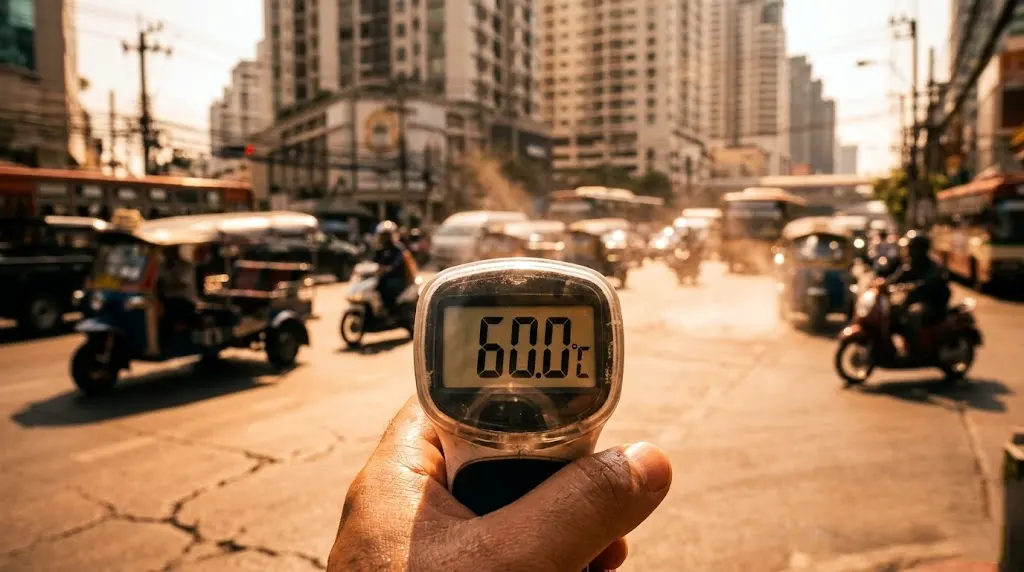
What if stepping outside felt like walking into an oven literally? In parts of Thailand,
that’s becoming reality, with a heat index hitting 60°C (140°F), a level experts call “extremely dangerous.”
This isn’t just about feeling uncomfortable. It’s about how heat and humidity combine to overwhelm the human body, turning everyday life into a health risk. And while Thailand is making headlines, the bigger story is unfolding across Southeast Asia.
When Heat Stops Being “Just Hot”
The number grabbing attention 60°C is not the air temperature. It’s the heat index, which measures how hot it feels when humidity is added to the mix. Think of it like wearing a wet blanket in the sun, your body can’t cool down.
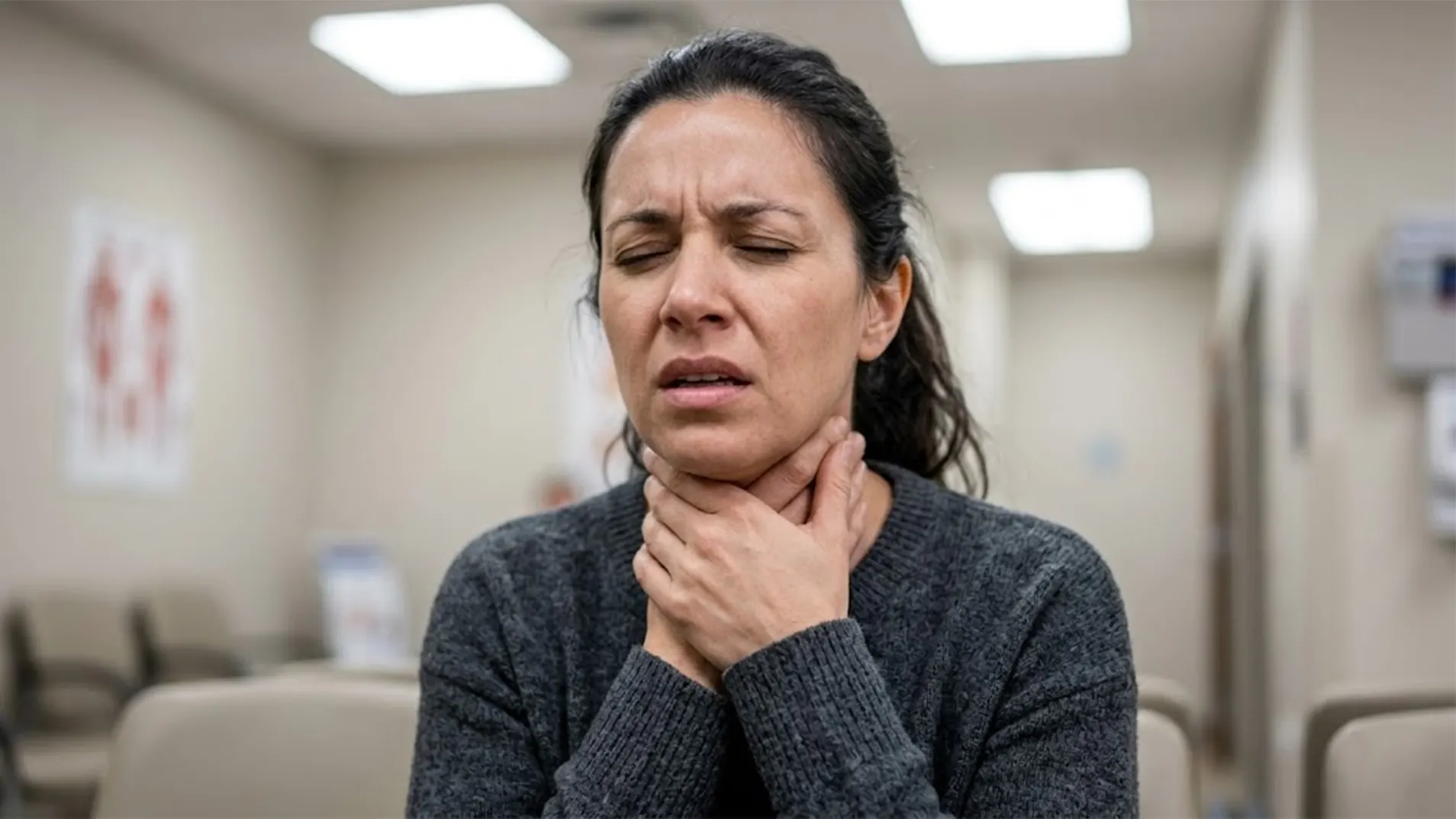
Under normal conditions, your body sweats to release heat. But in high humidity, sweat doesn’t evaporate easily. That means your body’s natural cooling system starts to fail. At extreme levels, heatstroke can happen in just 15–20 minutes, even if you’re not exercising.
But the real danger begins when this heat doesn’t let up.
When Nights Stop Bringing Relief
In many affected areas, temperatures stay above 30°C even at night, offering little chance for the body to recover. It’s like running a marathon without ever getting to rest.
This creates what doctors call “cumulative heat stress”, your body keeps overheating day after day. Over time, this can lead to exhaustion, dehydration, and serious health complications, especially for children and the elderly.
And that’s where geography makes things even worse.
Why Some Places Feel Like Pressure Cookers
Not all heat is equal. In coastal cities like Bangkok, high humidity traps heat close to the body, making it feel much hotter than it actually is. Add to that the urban heat island effect where concrete and asphalt absorb heat during the day and release it at night and you
get cities that never really cool down.
Meanwhile, inland regions face a different threat. Areas in northern and northeastern Thailand are seeing air temperatures climb above 43°C, combined with seasonal air pollution. It’s a double burden on the body, heat and poor air quality at the same time.
But this isn’t just happening in one country.
A Heatwave Stretching Across Borders
Across Southeast Asia, similar patterns are emerging. Countries like Vietnam, the Philippines, and Malaysia are all reporting above normal temperatures and dangerous
heat index levels.
In some places, schools are closing or shifting online to protect students. In others, water supplies are dropping, forcing governments to consider emergency measures like cloud seeding artificially triggering rain.
What connects all of this is something scientists call a “heat dome.” Imagine a giant lid over the region, trapping hot air underneath. Without wind or rain to break it, the heat just builds and builds.
And that raises a bigger question: why now?
The Climate Pattern Behind the Heat
This widespread heat is linked to a shift in global weather patterns, particularly the transition between La Niña and El Niño cycles. These natural cycles influence how heat and rainfall are distributed across the planet.
During this transition, weather systems can become “stuck” or slow moving, allowing heat to linger over one area for days or even weeks. Combined with high humidity before the monsoon season, the result is intense, prolonged heat that feels even worse than it looks on a thermometer.
But while the causes are complex, the impact is deeply personal.
What Extreme Heat Feels Like in Daily Life
Imagine waiting for a bus, walking to work, or even sitting in a classroom and feeling
like your body is overheating. That’s the reality for millions right now.
Hospitals are seeing more cases of heat exhaustion and dehydration. Electricity demand
is surging as people rely on air conditioning to stay safe. And for those without access
to cooling, the risk is even higher.
But the good news is, small actions can make a big difference.
Simple Ways to Stay Safe in Extreme Heat
You don’t need special equipment to protect yourself just a few smart habits:
- Avoid going outside between 1 PM and 4 PM, when heat is at its peak
- Drink water regularly, even if you don’t feel thirsty
- Wear light, breathable clothing to help your body cool down
- Use simple cooling tricks, like placing a wet towel on your neck
- Check on vulnerable people, especially the elderly and young children
Think of it like managing a fire, you want to reduce heat buildup before it becomes dangerous.
A Warning and a Wake Up Call
This heatwave is more than just a seasonal event. It’s a reminder of how fragile our comfort zone really is. Temperatures we once considered extreme are becoming more common, and the line between “hot” and “dangerous” is getting thinner.
But it also shows something else: how quickly people adapt and respond. Communities are adjusting routines, governments are issuing guidance, and individuals are finding ways to stay safe.
Because in the end, this isn’t just about surviving the heat. It’s about learning how to live with a changing climate, one day, and one degree at a time.