
Navigating the Narrow Window Between Diplomacy and Escalation
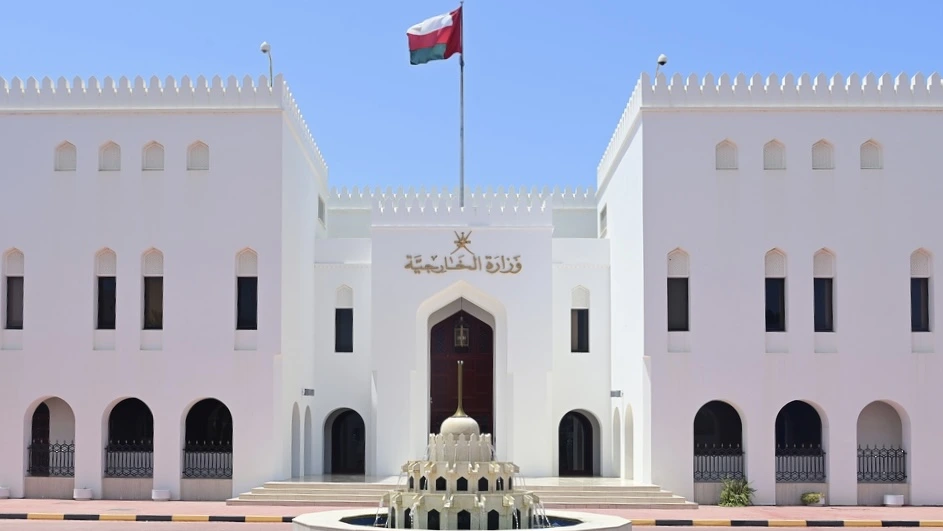
High level representatives from the United States and Iran have begun indirect talks in Muscat, Oman, in what diplomats describe as a critical and possibly final opportunity to prevent a new escalation in the Middle East.
The two sides are not meeting face to face. Instead, Omani officials are physically carrying messages between separate rooms holding the American and Iranian delegations
a physical manifestation of how deep the mistrust remains even as both governments keep diplomacy alive.
A Dispute Over What Is Being Negotiated
The core disagreement is not only about demands but about the scope of the talks themselves.
Iran, represented by Foreign Minister Abbas Araghchi, says the discussions must focus strictly on its nuclear program and sanctions relief. Araghchi pushed to move the meeting from an earlier proposed venue in Istanbul to Oman, a diplomatic shift aimed at narrowing the agenda and excluding regional rivals such as Saudi Arabia, which had been invited to observe in Turkey.
The U.S. delegation led by Middle East envoy Steve Witkoff and presidential adviser Jared Kushner is pursuing a broader framework. American officials have indicated they want any agreement to address not only nuclear limits but also Iran’s ballistic missile program and its support for armed groups
across the region, arguing the issues are inseparable from long term stability.
Because the two sides define the problem differently, the space for compromise remains limited.
Diplomacy Alongside Military Pressure
The talks are unfolding against a tense security backdrop that neither side can ignore.
A U.S. aircraft carrier strike group led by the USS Abraham Lincoln is operating in the Arabian Sea.
On Tuesday, February 3, an F-35C fighter jet from the carrier shot down an Iranian Shahed-139 reconnaissance drone that U.S. officials said approached the group. The incident did not cancel the Muscat talks, but it demonstrated how quickly events could spiral.
American officials describe their posture as defensive while emphasizing that military options remain available if diplomacy fails. Adding to that signal, reports indicate
Admiral Brad Cooper, head of U.S. Central Command (CENTCOM), is joining the American delegation’s orbit
an unusual overlap of military leadership and diplomatic talks
that highlights the pressure surrounding the negotiations.
Iranian leaders have publicly downplayed the drone incident, appearing careful not to trigger a crisis that could collapse negotiations they view as economically urgent.
The result is diplomacy taking place alongside visible military readiness on both sides.
Why Oman Matters
Oman’s role is central. The Gulf state has long maintained working relations with both Washington and Tehran and has previously hosted quiet talks that contributed to earlier nuclear negotiations and prisoner exchanges.
Unlike some of its neighbors, Oman avoids taking sides in regional rivalries. Its position along the Strait of Hormuz
a crucial global oil shipping route gives it a strong interest in preventing conflict. Analysts often describe Oman as a trusted intermediary because it maintains open channels with all parties.
By relocating the talks to Muscat, both sides signaled that they still value a controlled diplomatic channel, even amid rising tensions.
High Stakes for the Region
For Iran, sanctions relief is an urgent priority as its economy struggles under trade restrictions. For the United States,
officials argue that curbing Iran’s nuclear and military capabilities is essential to regional and global security.
If the talks break down, the consequences could extend far beyond the two countries. Energy markets, regional stability, and the security of key shipping routes could all be affected. Further military incidents, expanded sanctions enforcement, or targeted strikes are all scenarios analysts say cannot be ruled out if diplomacy collapses.
For now, Oman’s quiet mediation is acting as a stabilizing buffer. But with both sides entering the talks with sharply different expectations, the effort in Muscat is widely seen as a narrow and fragile chance to prevent a broader confrontation.