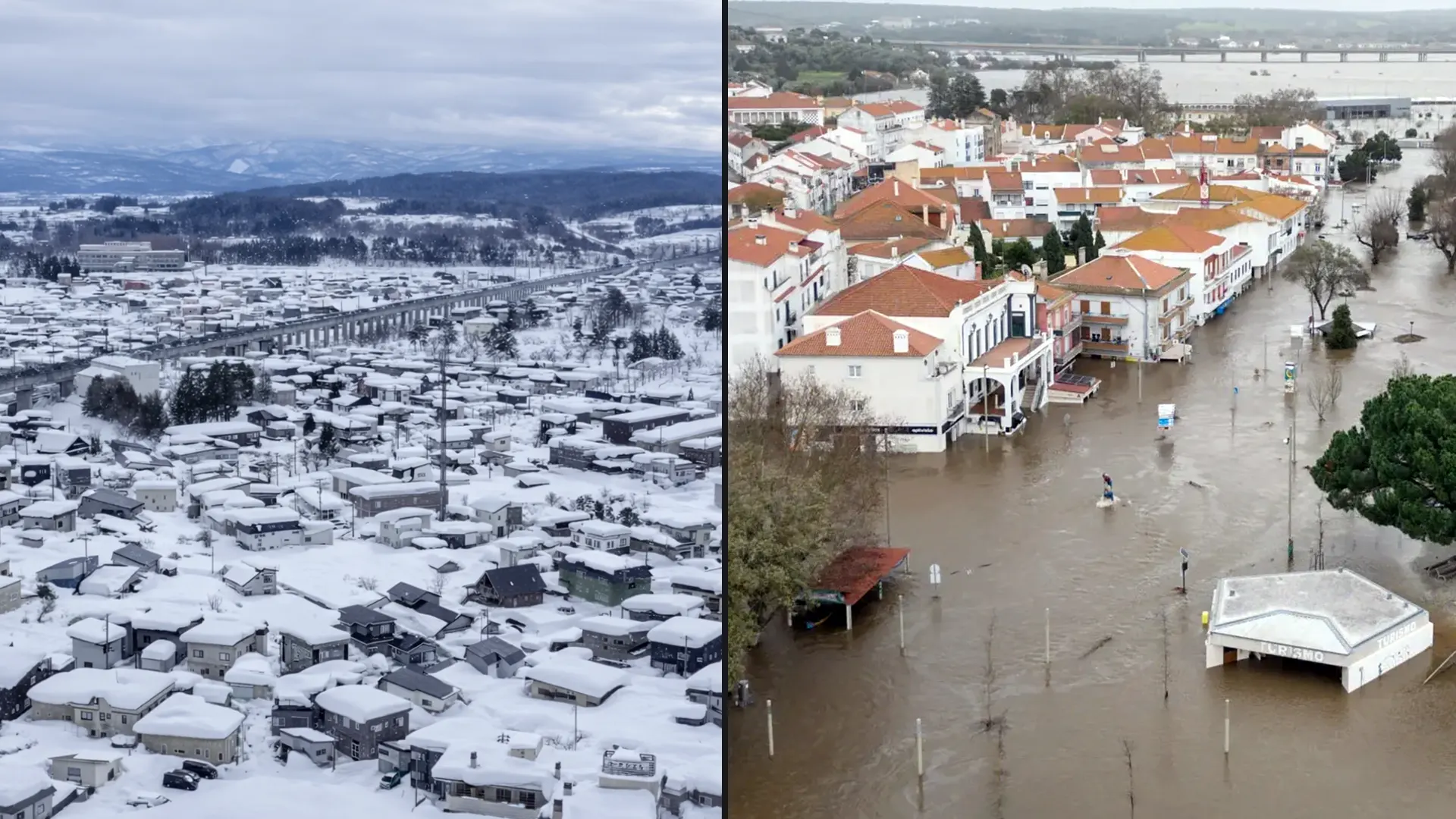
This week, two climate disasters are unfolding on opposite sides of the planet. Northern Japan is buried under record breaking snowfall, while Spain and Portugal are reeling from a barrage of Atlantic storms and catastrophic flooding.
They look like different stories, a deep freeze in Asia, destructive rain in Europe.
They are not.
Both are being driven by the same malfunction in the atmosphere, a destabilized jet stream interacting with unusually warm oceans. One broken engine. Two different kinds of destruction.
This is what climate change looks like in the real world not
a smooth warming trend, but a system that lurches harder, stalls longer, and overwhelms the infrastructure of a more stable past.
Japan: A Winter That Turned Deadly
Northern Japan is in the grip of one of the most severe snow disasters of the century.
- 46 people have died and over 550 have been injured during this winter surge. Many victims were clearing snow from rooftops or were buried when heavy drifts collapsed.
- Snow in mountainous parts of Aomori has reached up to 4.5 meters (15 feet).
- Japan’s Self Defense Forces have been deployed for rare
“life protection” missions, clearing snow for elderly residents to prevent roof failures. - Airports, highways, and rail lines have faced repeated shutdowns, stranding thousands.
This is not just heavy snow. It is snow falling faster, wetter, and heavier than buildings, transport systems, and emergency services were designed to handle.
And one of the main reasons is a warmer ocean.
The Snow Machine That Won’t Shut Off
Japan’s west coast regularly sees “sea effect” snow, cold Siberian air blows across the Sea of Japan, absorbs moisture, and releases it as snow over coastal mountains.
This year, that system is supercharged.
Parts of the Sea of Japan are several degrees warmer than average. Warmer water evaporates more rapidly, loading the air with extra moisture. A basic law of physics shows that for every 1°C rise in temperature, the atmosphere can hold about 7% more water vapor.
That means storms are “juicier.” And when the air is below freezing, that extra moisture falls as dense, waterlogged snow.
The consequences are severe:
- Roof collapses under the weight of saturated snow
- Rising avalanche risk as heavy wet layers slide over older powder
- Emergency crews unable to keep up with accumulation rates
This is a key climate signal: warmer oceans can intensify winter snow disasters, not just rainstorms.
The Broken Jet Stream
The other half of the story is happening high above the ground.
The Arctic is warming far faster than lower latitudes.
That weakens the temperature contrast that normally keeps the jet stream, the high altitude river of air steering weather fast and relatively straight.
Instead, the jet stream is becoming wavier and slower, forming deep loops that stall in place. One of those loops has parked frigid Arctic air over Japan for weeks, turning what might have been a short cold spell into a prolonged snow crisis.
When these patterns stop moving, impacts multiply,
more accumulation, more structural failures, more casualties.
Iberia: The Other End of the Seesaw
The atmosphere behaves like a giant hose. When it kinks downward in one place, it must buckle upward somewhere else.
As the jet stream dips deeply over Japan, it rises and curves sharply across the Atlantic. That “kink in the hose” aimed a conveyor belt of storms directly at Spain and Portugal instead of farther north.
Meteorologists call this sequence a “storm train.” In just two weeks, three major systems Kristin, Leonardo, and Marta slammed into the region one after another. Storm Marta is only now exiting.
The impacts have been devastating:
- Fatalities across the peninsula
- Thousands displaced
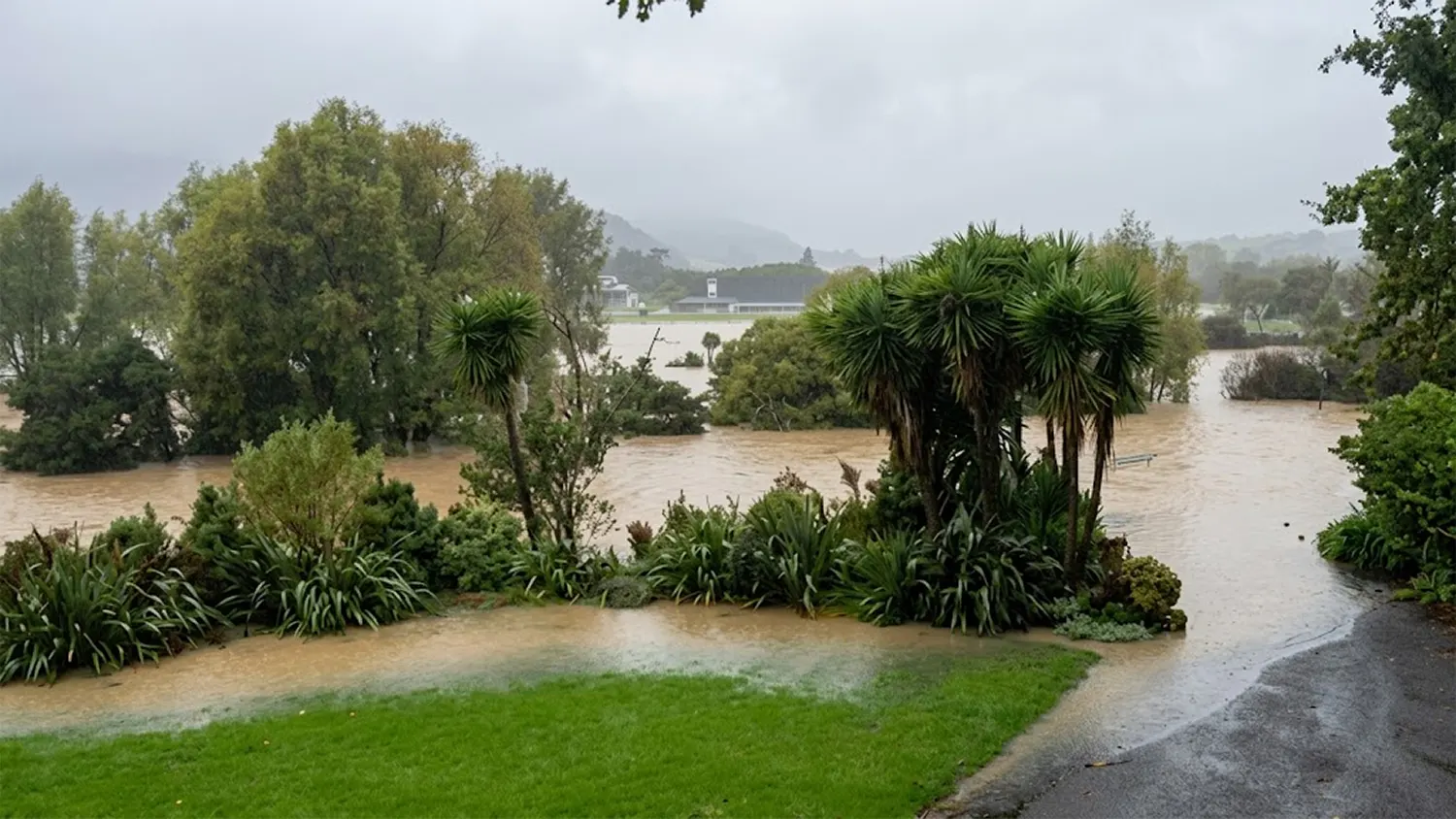
- Widespread flooding of towns, farmland, and transport routes
- Billions in economic damage
In some areas, rainfall totals that usually accumulate over many months fell in just days. Rivers overflowed, hillsides destabilized, and rescue crews evacuated residents by boat.
The same atmospheric waviness that locked cold air over Japan locked a stream of moisture laden systems over Iberia. When the atmosphere slows down, storms stop passing through they keep hitting the same place repeatedly.
This Is What Climate Risk Looks Like Now
These back to back crises show how climate change loads the dice toward extremes in multiple directions at once:
- Warmer seas → heavier precipitation (rain and snow)
- A warmer Arctic → a less stable jet stream
- Slower-moving patterns → longer lasting disasters
The danger is not just intensity. It is persistence.
Systems fail when stress does not let up.
We Are Hitting the Design Limits
We can’t just shovel or sandbag our way out of this. These back-to back crises are exposing the design limits of our civilization the assumptions about weather that shaped our buildings, roads, flood defenses, and emergency systems.
Those assumptions are no longer reliable.
Infrastructure built for 20th century extremes is being tested by 21st century physics.
Emergency response models struggle when events last weeks instead of days.
Communities face cascading risks: snow becomes collapse, floods become landslides, disasters trigger economic shocks.
What Can Actually Be Done
The solutions extend beyond disaster relief.
1. Update engineering standards.
Roof load limits, drainage capacity, and transport resilience must reflect heavier precipitation and longer duration events.
2. Strengthen early warning systems and public guidance.
Many snow related deaths occur during roof clearing.
Protocols, equipment, and community support for vulnerable residents save lives.
3. Use landscapes as protection.
Wetlands, floodplains, and upstream water retention reduce flood peaks. Nature based defenses complement hard infrastructure.
4. Cut emissions.
Every fraction of a degree of warming adds moisture and energy to the atmosphere. Mitigation reduces the upper bound of future extremes.
The Bigger Picture
Japan’s snow disaster and Iberia’s floods are not isolated anomalies. They are linked expressions of an atmosphere that now holds more heat, more moisture, and less stability.
The guardrails that once kept weather within familiar bounds are weakening.
The central question is no longer whether extremes will intensify. It is whether societies can upgrade infrastructure, planning, and emissions pathways fast enough to match the new physics of the climate system.
Because when the atmospheric engine breaks, the impacts don’t just fall from the sky, they accumulate, cascade, and compound.