UPS is executing one of the most aggressive operational overhauls in modern logistics, announcing plans to eliminate up to 30,000 operational roles in 2026. The move follows 48,000 job reductions in 2025, bringing the two-year total to nearly 80,000, part of a restructuring that is reshaping the company from a labor heavy parcel carrier into a technology centered logistics platform.
At the core of the strategy is a deliberate retreat from low margin volume, a rapid expansion of automation, and a shift toward specialized, higher profit freight.
The “Amazon Glide-Down”: Cutting Volume to Raise Margins
For years, Amazon was UPS’s largest customer and one of its least profitable. Leadership has described that business as “high volume but low margin,” consuming space in trucks and aircraft while generating limited returns.
UPS is now unwinding that exposure:
- Amazon package volume is being reduced by about 1 million pieces per day in 2026, on top of similar cuts last year
- By mid 2026, the relationship will be more than 50% smaller than its peak
The objective is margin expansion. Capacity freed by fewer Amazon shipments is being redirected toward:
- Healthcare logistics (temperature controlled pharmaceuticals and medical devices)
- Small and mid sized business shipping
- High value, time sensitive goods
A single shipment of specialized medicine can generate several times the profit of a low cost
e-commerce parcel while requiring fewer manual handling steps.
How UPS Plans to Remove 30,000 Roles
UPS is relying on “soft exit” mechanisms rather than broad forced layoffs:
Attrition
Hiring freezes allow natural turnover particularly in part time warehouse roles to steadily reduce headcount.
Voluntary Driver Buyouts
A second voluntary separation program offers lump sum incentives for veteran drivers to retire early, reducing higher cost labor positions.
Facility Closures
After closing 93 buildings in 2025, UPS plans to shutter 24 more facilities in early 2026, consolidating flows into automated hubs.
These measures support a $3 billion cost savings target for 2026.
The Engine of the Shift: Automation at Scale
The workforce reduction is inseparable from UPS’s “Network of the Future” strategy
a multi billion dollar modernization push aimed at eliminating 25 million operational work hours this year.
Mega Hubs and Robotics
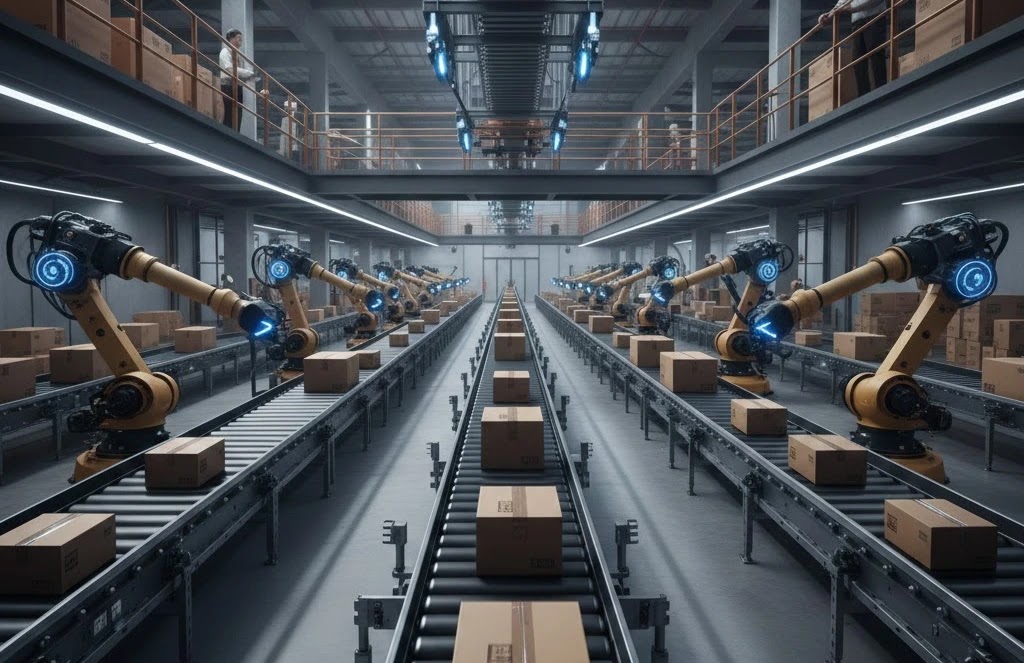
Volume is being redirected into highly automated facilities where robotics and AI replace manual sorting:
- Robotic systems unload trailers and perform high speed sorting
- AI driven singulation systems route packages with minimal human touch
- UPS is targeting 68% of U.S. package volume to move through automated facilities by the end of 2026
In these next generation centers, machines handle the repetitive, labor intensive tasks once done by large warehouse teams.
Algorithmic Route Optimization
Advanced routing software dynamically adjusts driver routes in real time. Higher route density and reduced wasted mileage allow fewer drivers to move the same or higher value volume.
The “Ground Saver” Offload
UPS is also shifting its low cost Ground Saver product to the U.S. Postal Service for final mile delivery. This reduces the need for UPS labor hours on lower margin shipments and is a key contributor to the targeted 25 million hour reduction.
Network Consolidation
By closing nearly 120 facilities over two years, UPS is reducing intermediate “touch points.”
Packages move more directly to automated regional hubs, eliminating labor intensive steps in smaller centers.
The Financial Backdrop
The transformation comes amid financial strain. A deadly cargo crash in Louisville in November 2025 accelerated the retirement of the company’s MD-11 fleet, a process completed in the fourth quarter of 2025. The retirement of more than two dozen aircraft added financial pressure, reinforcing the urgency of cost discipline and network efficiency in 2026.
A Company Shrinking and Repositioning
Over three years, UPS will have reduced its workforce by close to one fifth. Yet the strategy is framed as repositioning rather than retrenchment:
| Old Model | Emerging Model |
|---|---|
| Volume driven growth | Margin driven growth |
| Labor intensive sorting | Robotics and AI automation |
| Broad e-commerce mix | Healthcare and SMB focus |
| Many regional facilities | Fewer automated mega hubs |
The Structural Bet
UPS is wagering that a leaner, more automated network focused on high margin sectors can produce stronger profitability even with lower total package volume. Investors see a higher margin logistics platform; labor advocates see entry level pathways disappearing.
The company’s future now hinges on whether technology driven efficiency can sustainably replace the labor scale that built its legacy, a question that extends far beyond UPS to the future of global logistics.