A Hollywood Production Lands in the Middle of a Dispute
On July 20, 2025, filming for what is widely believed to be Christopher Nolan’s upcoming epic “The Odyssey” in Dakhla, Western Sahara, triggered a wave of political backlash.
The Sahrawi Government (Polisario Front) condemned the production, accusing it of violating international legitimacy and cultural ethics, turning a major Hollywood shoot into a renewed geopolitical flashpoint.
Why a Film Set Became a Diplomatic Issue
At the heart of the controversy lies one of Africa’s longest running territorial disputes.
Western Sahara is claimed by Morocco, which administers much of the territory and refers to it as its “Southern Provinces.” However, the Polisario Front and the Sahrawi Arab Democratic Republic (SADR) continue to push for independence and self-determination.
This disagreement is not new. But what makes this situation different is the visibility of a global film production taking place in a disputed region.
And that has changed the tone of the conversation.
When Cinema Becomes Political Symbolism
For the Sahrawi leadership, the issue is not just about filming permissions.
Allowing a major Hollywood production in Dakhla without their approval is seen as a symbolic endorsement of Moroccan control over the territory.
In their view, even entertainment projects can carry political weight. A blockbuster film, especially one linked to a globally recognized director like Nolan, can unintentionally shape perception about sovereignty.
That’s why their response has been so strong.
A Director’s Vision Meets a Sensitive Landscape
Christopher Nolan is known for his commitment to real locations and practical filmmaking, often choosing landscapes that enhance cinematic scale and authenticity.
Dakhla, with its vast deserts and Atlantic coastline, offers exactly that kind of visual impact.
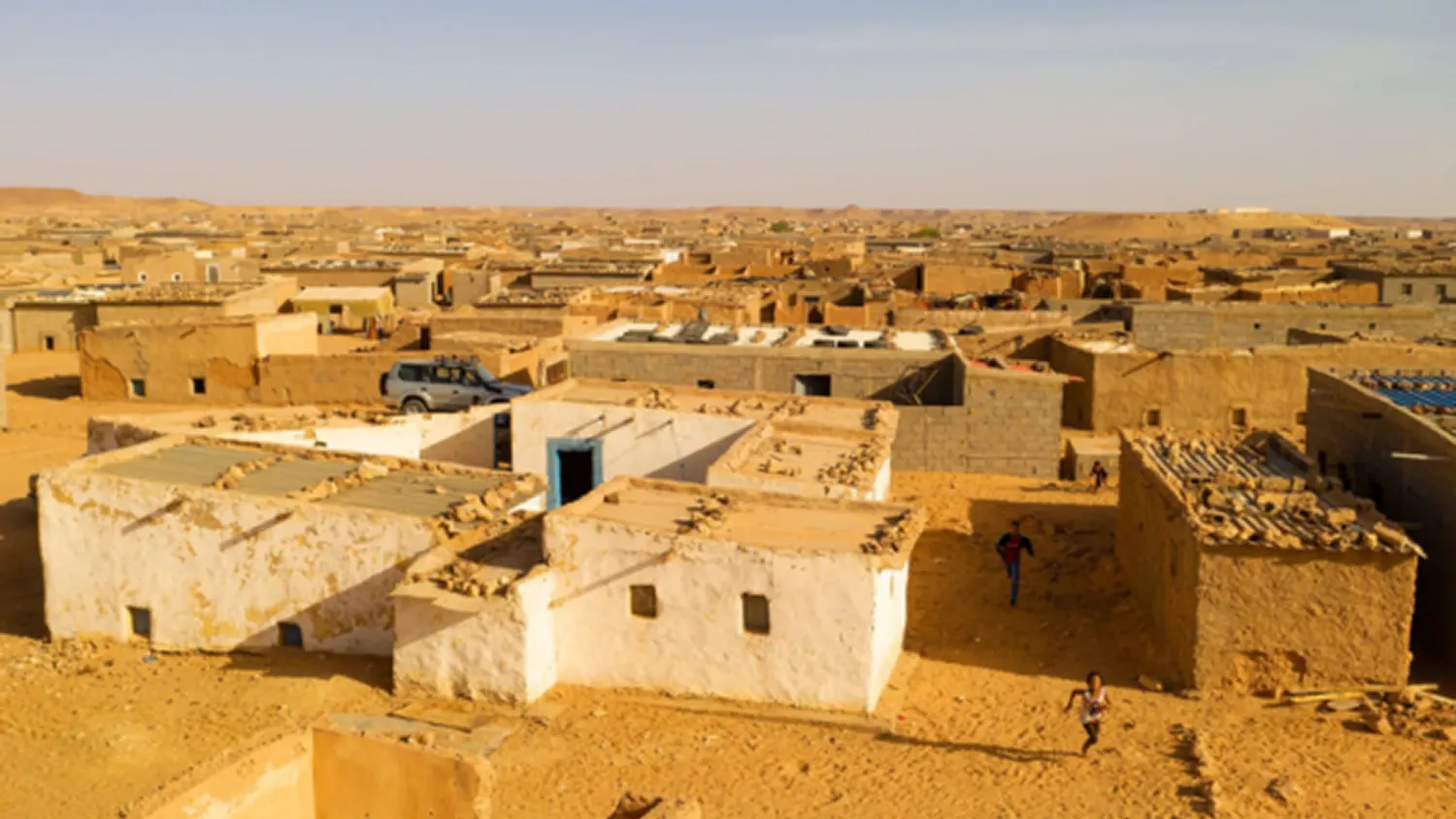
However, the choice of location comes with complications. Western Sahara is not just a scenic backdrop, it is a politically disputed territory, where parts of the indigenous Sahrawi population live in refugee camps outside the region.
This contrast between cinematic beauty and political reality is now at the center of global attention.
The Question of Responsibility in Global Filmmaking
The controversy raises a broader issue for the film industry: what responsibility do filmmakers have when shooting in politically sensitive regions?
On one hand, filmmakers often argue that art should remain independent from politics, focused solely on storytelling and creative vision.
On the other hand, critics argue that location choices are never neutral, especially in regions marked by conflict or contested sovereignty.
This tension is becoming increasingly relevant as global productions expand into more diverse and politically complex locations.
Western Sahara: A Conflict Still Unresolved
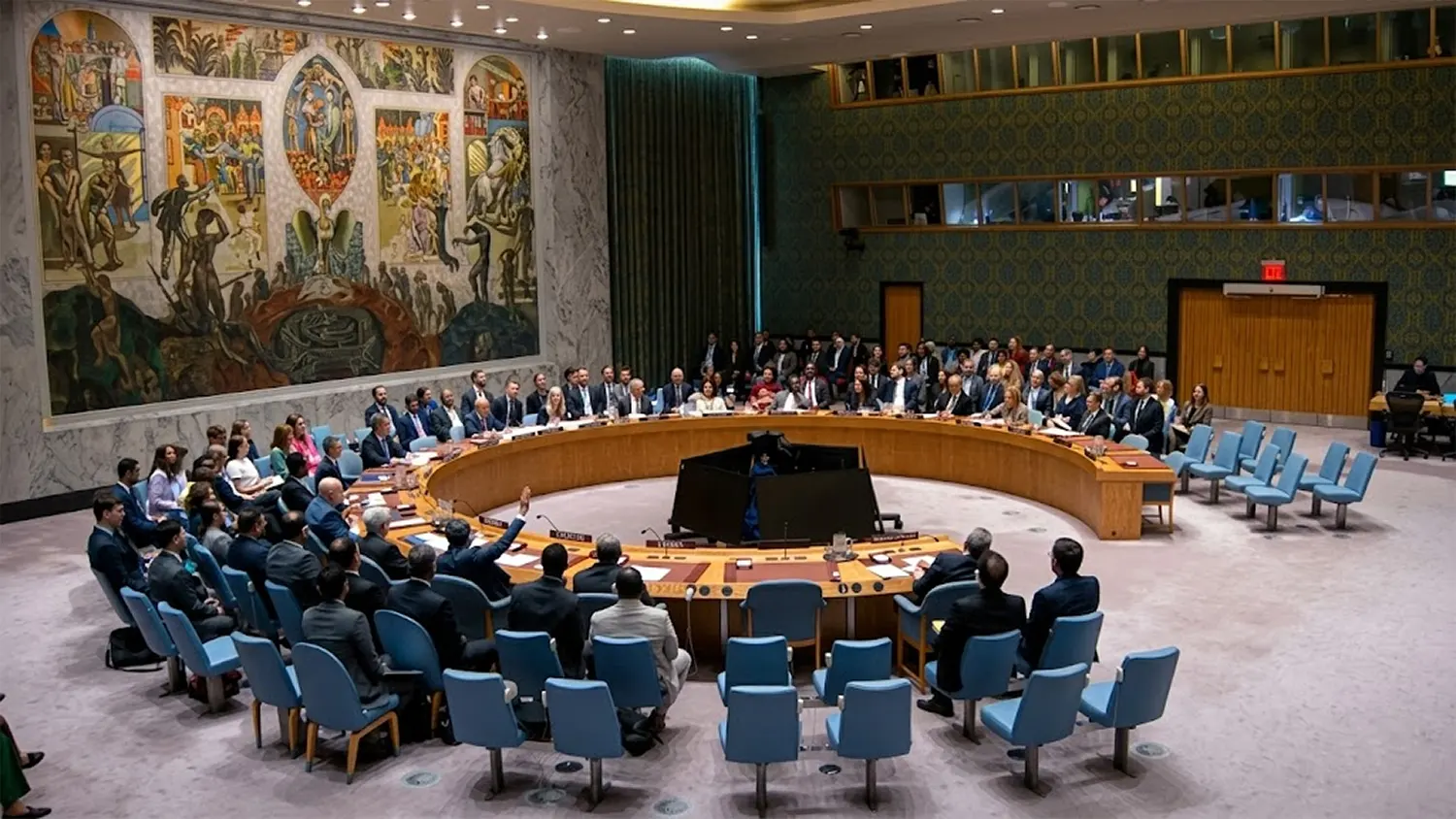
The United Nations has long attempted to mediate a resolution in Western Sahara, including plans for a self determination referendum that has yet to take place.
As a result, the region remains in a state of diplomatic limbo, with both Morocco and the Polisario Front maintaining opposing claims.
In this fragile context, even cultural projects can become entangled in deeper political narratives, whether intentionally or not.
And that is exactly what is happening with this film production.
Art, Influence, and Unintended Consequences
The situation highlights how modern cinema extends far beyond entertainment.
A film like The Odyssey is not just a creative project, it is also a global cultural product that can influence perceptions of place, identity, and legitimacy.
That means every filming location carries weight, especially when it intersects with ongoing territorial disputes and human rights concerns.
The result is a growing debate within the industry about how to balance artistic freedom with ethical awareness.
A Story Still Unfolding
As production on The Odyssey continues, the controversy in Dakhla is unlikely to fade quickly.
Instead, it serves as a reminder that in today’s interconnected world, even the most imaginative stories are tied to real world politics in ways that are impossible to ignore.
And in this case, a film about an ancient epic has become part of a very modern one centered not on myth, but on land, identity, and sovereignty.