A High Stakes Fight Over Truth and Influence
A legal battle in the United States is now at the center of a global debate over misinformation, free speech, and accountability.
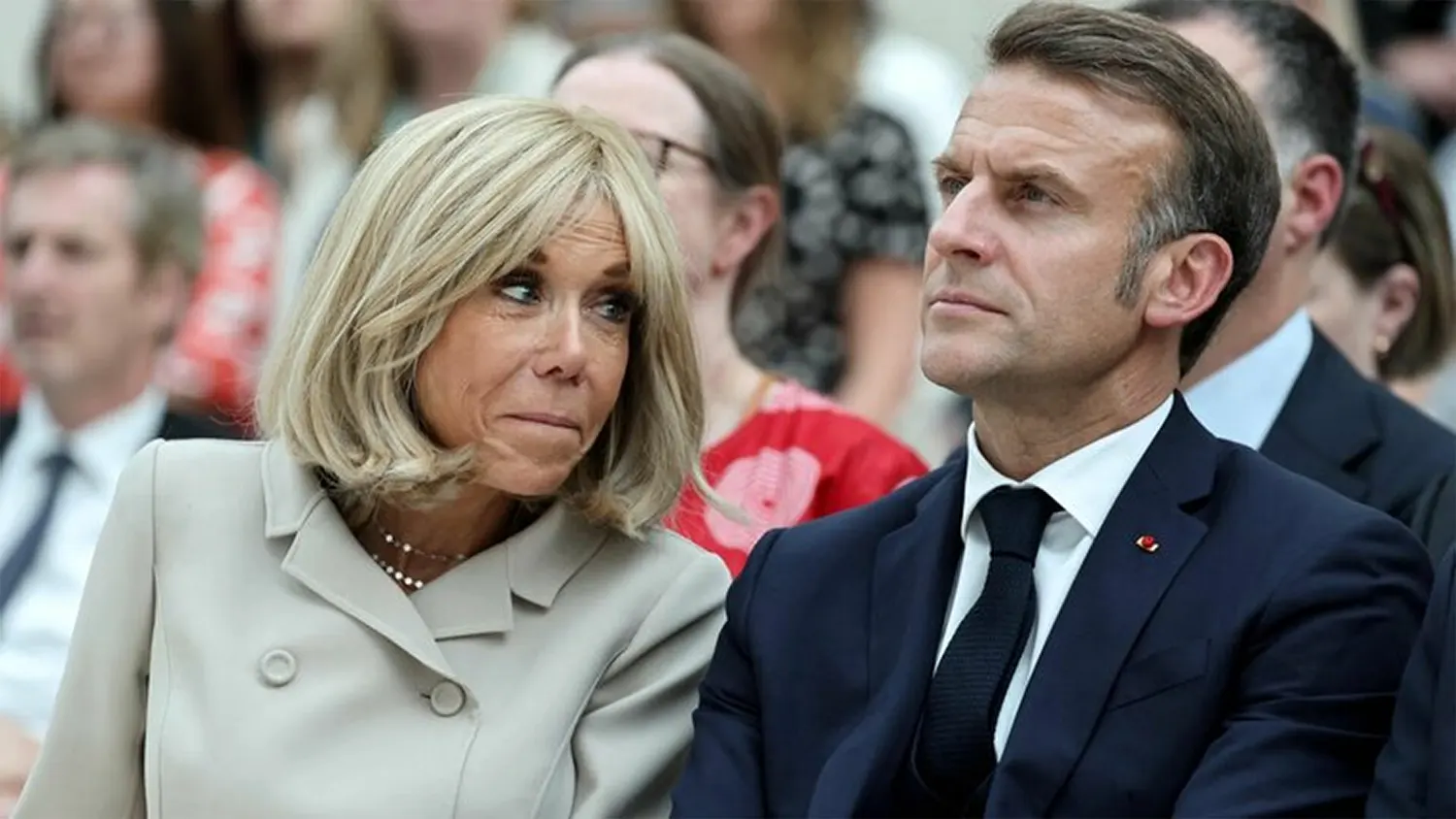
French President Emmanuel Macron and First Lady Brigitte Macron have filed a defamation lawsuit against American commentator Candace Owens, escalating a long running dispute over false online claims.
At stake is more than reputation. The case highlights how digital platforms can amplify misinformation and how difficult it is to stop it once it spreads.
The Background: A Viral Conspiracy Theory
The lawsuit centers on a widely debunked claim that has circulated online for years.
At the heart of the dispute are repeated allegations promoted by Owens that Brigitte Macron was born biologically male. Despite being rejected by credible sources and widely dismissed as false, the claim has continued to gain traction in certain online communities.
According to the Macrons, this is not an isolated incident but part of a broader pattern. The lawsuit points to additional claims described as “outlandish” and “fabricated,” including conspiracy theories about the Macron family and even suggestions of intelligence agency involvement in the French presidency.
What makes this case significant is not just the claim itself but the scale at which it was amplified.
From Online Claims to Legal Action
The turning point came after months of failed attempts to resolve the issue privately.
The Macrons argue that they repeatedly sought retractions and corrections. Instead, they claim Owens continued to promote the allegations through her podcast and social media platforms, further expanding their reach.
As a result, the couple decided to pursue legal action in a Delaware court, accusing Owens of using the claims to:
- Boost her platform and visibility
- Generate financial gain
- Drive engagement through controversy
They also argue that the impact has gone beyond politics, leading to “relentless bullying on a worldwide scale” and significant personal harm.
In their view, the lawsuit is an effort to draw a line between opinion and demonstrably false statements.
The Response: Free Speech vs Defamation
Owens has pushed back forcefully, framing the lawsuit as an attack on free expression.
Through her representatives, she has dismissed the case as “factually flawed” and politically motivated. More broadly, her defense positions the dispute as part of a larger debate over the limits of the First Amendment in the United States.
This introduces a key tension at the heart of the case:
- Where does free speech end and defamation begin?
- And who decides when that line has been crossed?
Owens’ response suggests the case will not only be fought in court, but also in the court of public opinion.
A Pattern of Legal Battles
This is not the first time Brigitte Macron has taken legal action over similar claims.
She previously won a case in France against individuals who spread comparable rumors. However, that ruling was later overturned on appeal and is now being challenged in France’s highest court.
This ongoing legal history underscores a broader challenge:
Even when false claims are disproven, they can persist and resurface in new forms
and new platforms.
The Global Fight Against Misinformation
This case reflects a growing international struggle to manage the spread of online disinformation.
Digital platforms have made it easier than ever for claims true or false to reach global audiences instantly. For public figures, this creates a difficult reality:
- False narratives can spread faster than corrections
- Legal remedies are often slow and jurisdictionally complex
- Reputational damage can occur long before facts are established
As a result, governments, courts, and individuals are increasingly grappling with how to balance freedom of expression with accountability for harmful falsehoods.
What Happens Next: A Closely Watched Legal Test
The outcome of this lawsuit could have implications far beyond the individuals involved.
Because the case is being heard in the United States, it will test how American courts handle defamation claims brought by foreign public figures especially in politically
sensitive contexts.
It may also influence how:
- Platforms moderate controversial content
- Public figures respond to viral misinformation
- Legal systems adapt to cross border digital disputes
In many ways, this is a test case for the future of accountability in the online era.
The Bottom Line
The Macron-Owens lawsuit is about more than a single claim, it is about the power and consequences of information in the digital age.
As misinformation continues to blur the line between fact and fiction, this case highlights a central dilemma:
How do societies protect free speech while preventing demonstrably false claims from causing real world harm?
The answer remains uncertain. But as this case unfolds, it will shape how that balance is defined in the years ahead.