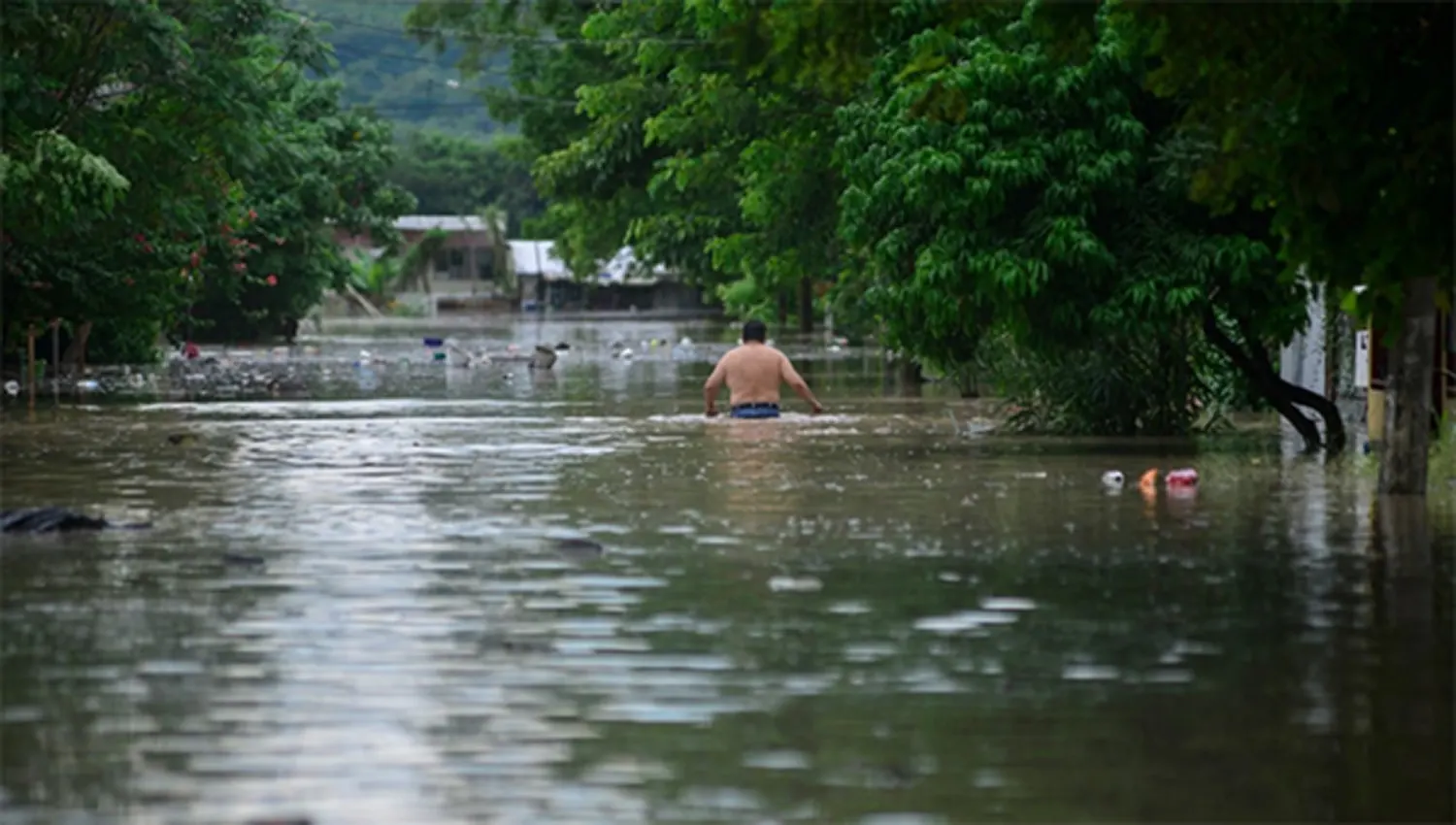
Flash floods swept through Ruidoso, New Mexico, on July 14, 2025, killing three people and triggering dozens of rescues after heavy monsoon rains caused the Rio Ruidoso to surge rapidly.
At least three lives were lost, including two young children, as powerful floodwaters overwhelmed homes, roads, and vehicles in the mountain community.
For residents, the disaster was sudden and devastating, a reminder of how quickly extreme weather can turn deadly.
A Sudden Surge Turns Deadly
The scale of the flooding caught many off guard.
Torrential monsoon rains fell over wildfire scarred terrain, sending water rushing downhill into the Rio Ruidoso. Within hours, the river rose to dangerous levels, spilling into neighborhoods and trapping residents.
Among the victims were an adult man, a 4 year old girl, and a 7 year old boy, all swept away by the fast moving currents.
Mayor Lynn Crawford described the loss as heartbreaking, saying “our hearts are broken” for the families affected.
But the tragedy did not end there.
Rescue Crews Race Against Rising Waters
As the floodwaters spread, emergency responders moved quickly.
At least 85 swift water rescues were carried out, with crews pulling people from submerged homes and stranded vehicles. The speed of the response prevented what could have been an even higher death toll.
Still, the conditions were extremely dangerous.
Fast currents, debris, and limited visibility made rescue operations difficult, forcing crews to navigate unpredictable terrain.
The situation highlights how quickly flash floods can escalate leaving little time for evacuation or warning.
Wildfire Damage Made the Flooding Worse
What made this disaster especially severe was the condition of the land itself.
Recent wildfires had stripped the hillsides of vegetation, removing the natural barrier that normally absorbs rainfall.
As a result, water flowed rapidly across the surface instead of soaking into the ground, carrying mud, ash, and debris into the river system.
This created a dangerous chain reaction:
- Faster runoff
- Higher river levels
- More destructive flooding
The same fires that burned the region months ago directly contributed to the intensity of this flood.
A Community Caught in a Cycle of Disasters
For Ruidoso, this is not an isolated event.
The village, known as a popular summer retreat and ski destination, has faced repeated natural disasters in recent years.
Wildfires last summer were followed by flooding, and now another severe weather event has struck the community.
This pattern is raising urgent concerns.
Residents and officials are increasingly confronting a cycle of disasters, where one event weakens the landscape and makes the next more destructive.
State Emergency Declared as Recovery Begins
In response to the crisis, Michelle Lujan Grisham signed an emergency declaration to unlock state and federal support.
The declaration aims to accelerate rescue, relief, and recovery efforts, including funding for cleanup and rebuilding.
Meanwhile, shelters have been opened for displaced residents, and authorities are urging anyone with missing family members to come forward.
The focus is now shifting from rescue to recovery, but the scale of the damage remains significant.
The Challenge of Rebuilding and Preparing for What’s Next
As floodwaters recede, the reality of what lies ahead is becoming clear.
Homes have been damaged or destroyed, infrastructure has been disrupted, and many residents are now displaced.
But beyond the immediate cleanup, a larger question remains.
How can communities like Ruidoso prepare for increasingly frequent and severe weather events?
Officials are now being pushed to consider long term solutions, including:
- Improved flood defenses
- Land restoration after wildfires
- Better early warning systems
A Tragedy That Highlights a Growing Risk
The floods in Ruidoso are a stark example of how interconnected natural disasters can be.
Wildfires, extreme rainfall, and flooding are no longer isolated events they are part of a broader pattern.
For this small New Mexico community, the cost has been measured in lives lost and homes destroyed.
And as rebuilding begins, the challenge will not only be recovery but resilience in the face of what may come next.