Our kidneys often go unnoticed yet they perform one of the most vital jobs in the human body. They filter waste, balance fluids, regulate blood pressure, and support overall metabolic health every single day.
As chronic kidney disease (CKD) continues to rise globally, experts are increasingly emphasizing a simple but powerful idea: everyday diet and lifestyle choices can play a major role in protecting kidney function.
But beyond awareness, the real question is what practical steps can we take to support kidney health naturally?
Why Kidney Health Matters More Than Ever
The kidneys are highly efficient, but they are also vulnerable. Over time, conditions like high blood pressure, diabetes, poor diet, and dehydration can quietly damage their filtering system.
What makes this especially concerning is that kidney disease often develops silently, showing few symptoms until it becomes advanced.
This raises a critical point: prevention is far more effective than treatment.
And that begins with nutrition.
Fruits That Naturally Support Kidney Function
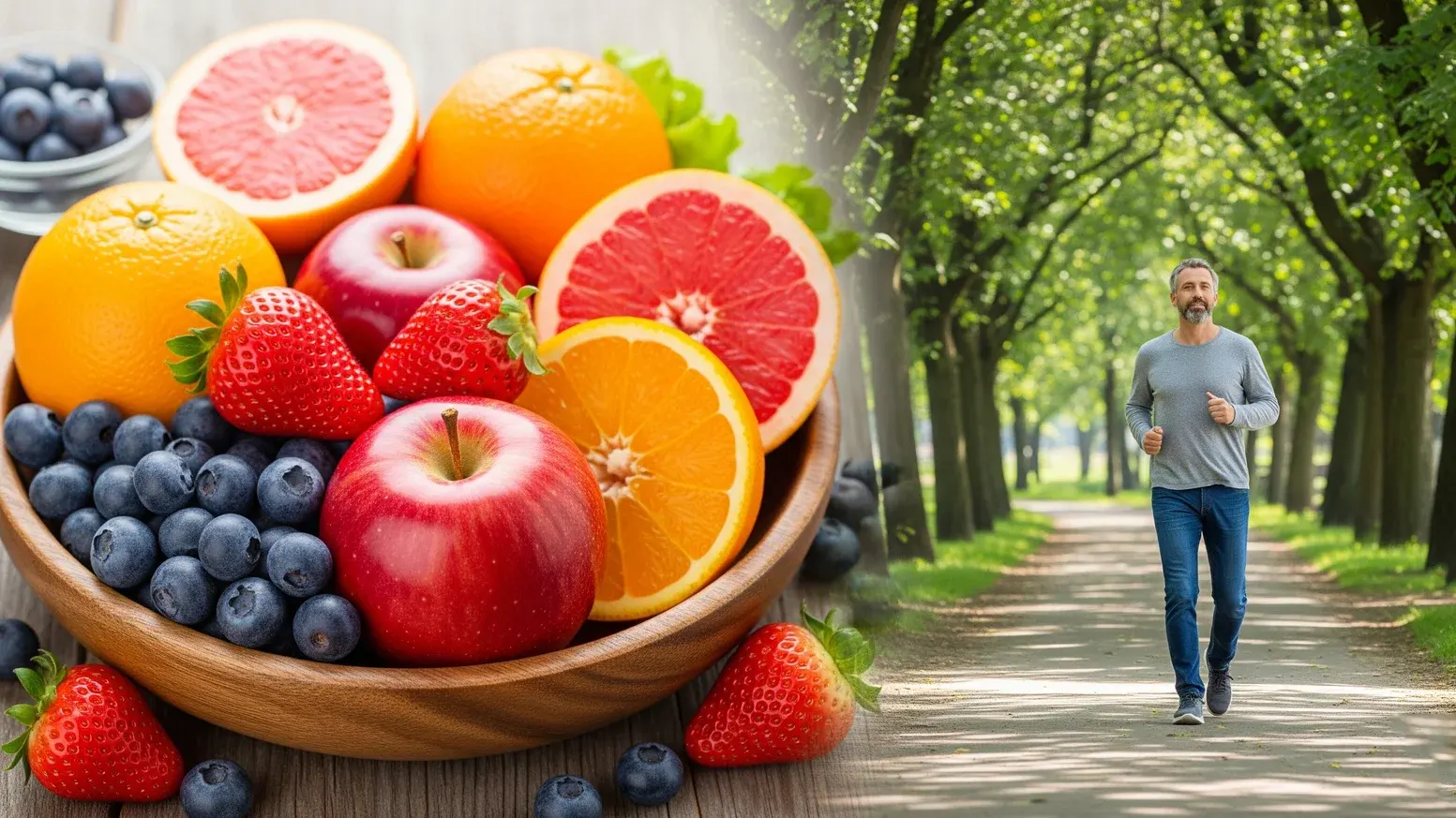
Nature provides several fruits that are especially beneficial for kidney health. These foods are rich in antioxidants, vitamins, and anti inflammatory compounds that help reduce stress on the kidneys.
Berries: Small Fruits with Big Protection
Blueberries, strawberries, raspberries, and cranberries are among the best choices for kidney support.
They are rich in flavonoids and anthocyanins, powerful antioxidants that help:
- Reduce inflammation
- Fight oxidative stress
- Protect kidney cells from damage
Their natural fiber content also supports heart health and cholesterol balance, which indirectly benefits kidney function.
Citrus Fruits: Natural Detox Support
Fruits like lemons, oranges, limes, and grapefruits are packed with vitamin C and citric acid, both known for supporting immune and metabolic health.
Citric acid may also help reduce the risk of kidney stone formation, making citrus fruits a smart addition to a balanced diet.
However, portion control matters, especially for individuals with existing kidney conditions.
Red Grapes: A Hidden Source of Protection
Red grapes contain resveratrol, a plant compound widely studied for its anti-inflammatory and protective effects on blood vessels.
Because kidney health is closely linked to blood flow and vascular function, this makes red grapes a valuable dietary addition.
Beyond Food: Daily Habits That Protect Your Kidneys
While diet is essential, lifestyle choices play an equally important role in maintaining kidney health.
Beyond nutrition, several everyday habits can significantly reduce risk factors linked to kidney damage.
Control Blood Pressure and Blood Sugar
One of the strongest drivers of kidney disease is uncontrolled blood pressure.
High blood pressure can damage the delicate blood vessels in the kidneys, reducing their ability to filter waste properly.
Similarly, stable blood sugar levels are essential, even for individuals without diabetes, as they help protect kidney filtering units over time.
Maintain a Healthy Weight
Excess body weight increases the risk of both diabetes and hypertension, two of the leading causes of kidney disease.
Maintaining a healthy weight through balanced nutrition and regular activity helps reduce long term stress on the kidneys and improves overall metabolic health.
Stay Physically Active
Regular exercise is one of the most effective ways to support kidney function indirectly.
It helps:
- Control blood pressure
- Regulate blood sugar
- Support healthy weight management
Even 30 minutes of moderate activity most days of the week can make a measurable difference.
Reduce Sodium and Protect Kidney Function
Too much sodium forces the kidneys to work harder, leading to fluid retention and increased blood pressure.
Limiting processed foods and reducing salt intake is a simple but powerful step toward long term kidney protection.
Use Painkillers With Caution
Common over the counter medications like NSAIDs (e.g., ibuprofen) can negatively affect kidney function when used frequently or in high doses.
While generally safe for short term use, long term reliance should always be discussed with a healthcare professional.
A Simple Message: Small Choices, Long Term Protection
Kidney health doesn’t depend on a single change, it depends on consistent daily habits.
By combining a fruit rich diet, balanced lifestyle, and mindful medication use, you can significantly reduce strain on your kidneys and support long term wellness.
Because when it comes to kidney health, prevention isn’t just helpful, it’s essential.